Applied Business Practicums: Real Ledger & Market Simulations
At Stonemill, business theory transforms into actionable operational execution. Working adults tackle real enterprise ledgers, multi-channel ad spend, and live client diagnostics under experienced faculty supervision.

The Stonemill Practicum Philosophy
Unlike traditional lecture-dominant business programs, Stonemill requires every degree candidate to complete structured, hands-on clinical practicums. We believe that true commercial judgment is forged by confronting untidy datasets, unreconciled bank balances, flawed campaign conversions, and real operational bottlenecks.
Practicums are scheduled during our signature evening time blocks (18:30–21:15) and Saturday cohorts, ensuring that working professionals can apply their coursework directly to their current jobs while building verified portfolio assets.
Practicum Core Metrics
- Dedicated Simulation Facilities: 3 Specialized Labs
- Enterprise Software Sandboxes: QuickBooks, GA4, SAP, Excel
- Faculty Supervision Ratio: 1 Faculty per 12 Students
- Free Small Business Audits: 45+ Clinics Completed Annually
- Portfolio Deliverable: Client-Ready Executive Memo
Three Core Specialized Facilities
Each facility mirrors the actual operational workflows, software architectures, and team structures found in modern accounting firms, digital marketing agencies, and corporate operations centers.

Financial Modeling & Accounting Lab
Dual-monitor enterprise accounting terminal suites running QuickBooks Enterprise 2027, advanced Excel financial modeling, and 3-way reconciliation audit engines.
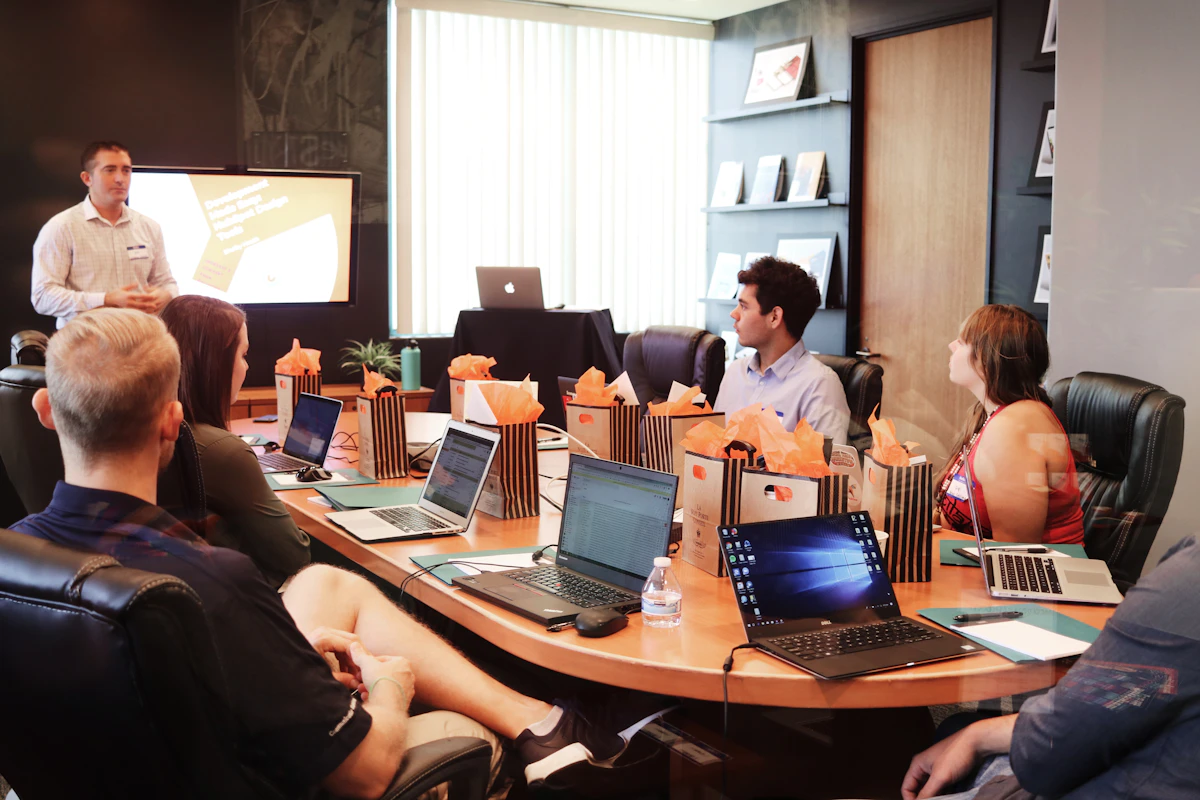
Digital Marketing Analytics Studio
Live digital ad simulation environments featuring GA4 attribution models, Meta Ads Manager sandbox, email automation triggers, and customer lifetime value cohorts.

Small Business Advisory Suite
Street-level consulting clinic where advanced students deliver pro bono cash flow diagnostics, pricing model reviews, and HR compliance audits for Charlotte businesses.
Client Collaboration Framework
Stonemill partners with regional enterprises ranging from precision manufacturers in Cabarrus County to retail hospitality groups in South End. Each practicum engagement follows a rigorous, four-stage protocol:
- Intake & Confidentiality: Students and partner sponsors sign non-disclosure agreements (NDAs) and scope baseline operational problems.
- Data Extraction & Sanitization: Raw ledger files or ad logs are ingested and scrubbed for proprietary identifiers.
- Analytical Modeling: Cohorts build forecasting models, audit schedules, or attribution flows under faculty review.
- Executive Presentation: Teams present their findings, actionable recommendations, and clean data packages to company leadership.
Getting Ready for Practicums
Before registering for any capstone or 300-level practicum, ensure you satisfy prerequisite course credits and technical software verification standards.